

The Spirit of Hospitality Reflected in Takaoka Metalcraft
The Spirit of Hospitality Reflected in Takaoka Metalcraft
In Takaoka, Toyama Prefecture, metalcraft has been passed down for roughly four hundred years. It is here that Miyazu Shoten began its journey in 1938.
In the difficult years after the war, the company first turned its attention to cast-metal pots that supported everyday life. Placed over fire, used to prepare meals, and relied upon in the daily rhythm of the family, these practical tools formed the origin of Miyazu Shoten.
As daily life gradually regained a sense of calm, Japanese cultural practices such as tea ceremony and flower arrangement once again found their place in people’s lives. From tools that supported daily necessities to craft objects that prepare the mind and set the scene, Miyazu Shoten expanded its work, rooted in the manufacturing culture of Takaoka and guided by a distinctly Japanese sense of beauty.

Hospitality Found in Tea and Sake
What can be felt in the works of Miyazu Shoten is the spirit of hospitality that has long lived within Japanese everyday culture.
A bowl of tea carries stillness and harmony. A cup of sake carries consideration for others and a warmth that gently brings people together. Tea and sake are not merely beverages. They are cultural forms that help shape the time in which people meet face to face.
Choosing the right vessel, boiling water, holding a cup, and offering a drink to someone else. In an age where efficiency and convenience often take priority, such gestures remind us of a richness that can easily be forgotten in daily life.
Through tea and sake, a space is prepared, and time spent thinking of others is quietly supported.
Miyazu Shoten’s iron kettles and sake vessels are made to accompany such moments. The more they are used, the more naturally they settle into the hand. The more time they spend with their owner, the deeper their expression becomes. They are tools, yet they also have the quiet power to change the atmosphere of a room.
Takaoka, a City of Metal
Behind Miyazu Shoten’s craft lies the metalworking culture of Takaoka in Toyama Prefecture.
Takaoka traces its metalcraft heritage to the encouragement of casting under the Maeda family of the Kaga domain, and the region has continued to refine its techniques for around four centuries. Gold, silver, copper, tin, aluminum, and iron. In this city of diverse metals, artisans specializing in casting, finishing, coloring, engraving, and other processes each contribute their own expertise to bring a single object to completion.

The craft of Takaoka is not completed by one maker alone. It is sustained by a division of labor, in which artisans with highly specialized skills layer their techniques upon one another, creating works with depth, refinement, and a high level of completion.
This beauty of collaboration can also be seen in the iron kettles, tea utensils, and sake vessels handled by Miyazu Shoten. The certainty of form, the texture of metal, the depth of color, and the detail of ornamentation are all supported by the accumulated knowledge of the region.
The Hidden Pursuit Behind Color
In Takaoka metalcraft, coloring is not simply the final step. It is an essential process that determines the expression of the metal and gives each work its dignity and depth.

In the coloring process, experience and sensitivity are essential for reading the condition of the material. The surface of the metal, temperature, humidity, and the slightest differences in the materials used can all affect the result. Looking closely and confirming by hand, the artisan searches for the finish that best suits that particular moment.
Materials used in coloring, such as lacquer and vinegar, also change in character depending on the season and surrounding environment. Even slight variations can influence how the metal develops color, how that color settles, and how the final luster appears. For this reason, artisans proceed while carefully reading the state of each material.
The works of Miyazu Shoten carry this kind of invisible pursuit. The texture of metal is brought to life, color is given depth, and the surface is finished so that it becomes richer with use. Behind the final expression lies the experience of the artisan and an uncompromising devotion to handwork.
Iron Kettles that Reflect Tradition, Sake Vessels that Bloom in Daily Life
The objects offered by Miyazu Shoten carry motifs drawn from Japanese nature, history, and auspicious design.
An iron kettle inspired by Mount Fuji holds the gaze that Japanese people have long directed toward this sacred peak. Designs that evoke Hokusai’s Thirty-six Views of Mount Fuji, motifs that recall the elegance of the Rinpa school, and powerful works featuring shishi lions and inlay ornamentation all bring memories of Japanese culture and art into everyday life. They are not merely tools for boiling water. They are objects that invite Japan’s aesthetic memory into the present moment.

Iron Kettles
While serving as tools for boiling water, these kettles bring Japanese aesthetics into daily life through Mount Fuji, auspicious motifs, and carefully formed metal surfaces.
Sake Vessels
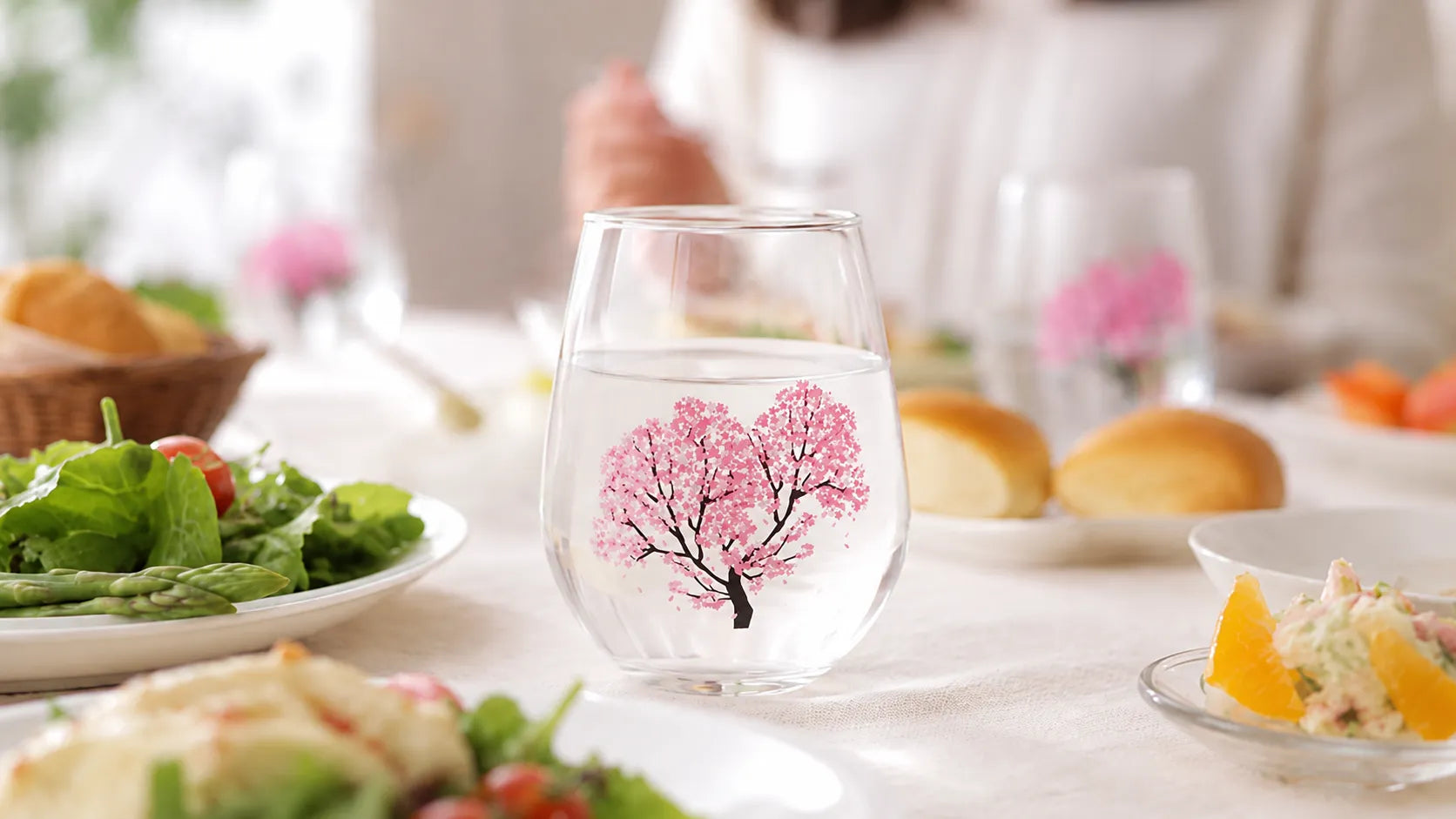
Making use of metal’s ability to retain both warmth and coolness, these vessels help shape the experience of sake, warm in winter and chilled in summer.
Trays
With motifs such as the ridgeline of Mount Fuji or cherry blossoms, these trays add a quiet elegance to both everyday tables and special occasions.
Decorative Forms and Playfulness
Some pieces are not only made to be admired, but can also be used as small containers. Craft beauty, practicality, and a sense of play naturally come together.

Beautiful to display and increasingly beloved through use, the craft objects of Miyazu Shoten move naturally between appreciation and everyday function.
Carrying What Has Been Inherited into the Next Way of Living
What Miyazu Shoten offers is not craft preserved only for the sake of keeping the old unchanged.
While respecting the techniques inherited in Takaoka, the company refines them into forms that can be used naturally in contemporary life. The dignity of tea utensils, the sophistication of sake vessels, and the familiarity of daily tools are brought together without diminishing any of their qualities.
To hold a single iron kettle. To pour sake from one vessel. To place cups on a tray and welcome someone into a space. Within such small gestures overlap the four hundred years of Takaoka’s craft heritage and the perspective of Miyazu Shoten, which has spent more than eighty years looking closely at the tools of daily life.
Boiling water, pouring sake, placing a vessel on a tray. These ordinary movements can become a slightly more thoughtful form of time. Through such objects, Miyazu Shoten quietly carries the Japanese spirit of hospitality into the life ahead.
Seen Through the Lens of Japanese Craft
The work of Miyazu Shoten has also been introduced through media that shares Japanese culture with audiences overseas.
In a program by NHK WORLD-JAPAN, Takaoka metalcraft and the work of Miyazu Shoten are introduced from around the 10-minute 30-second mark for approximately three minutes. Through the video, viewers can gain a closer sense of the workshop atmosphere and the hands behind the craft.

Written by TanakaAkira

Leave a comment
This site is protected by hCaptcha and the hCaptcha Privacy Policy and Terms of Service apply.